
Search our site
Looking for a specific file or document? Browse our Resource hub.
Looking for a specific file or document? Browse our Resource hub.
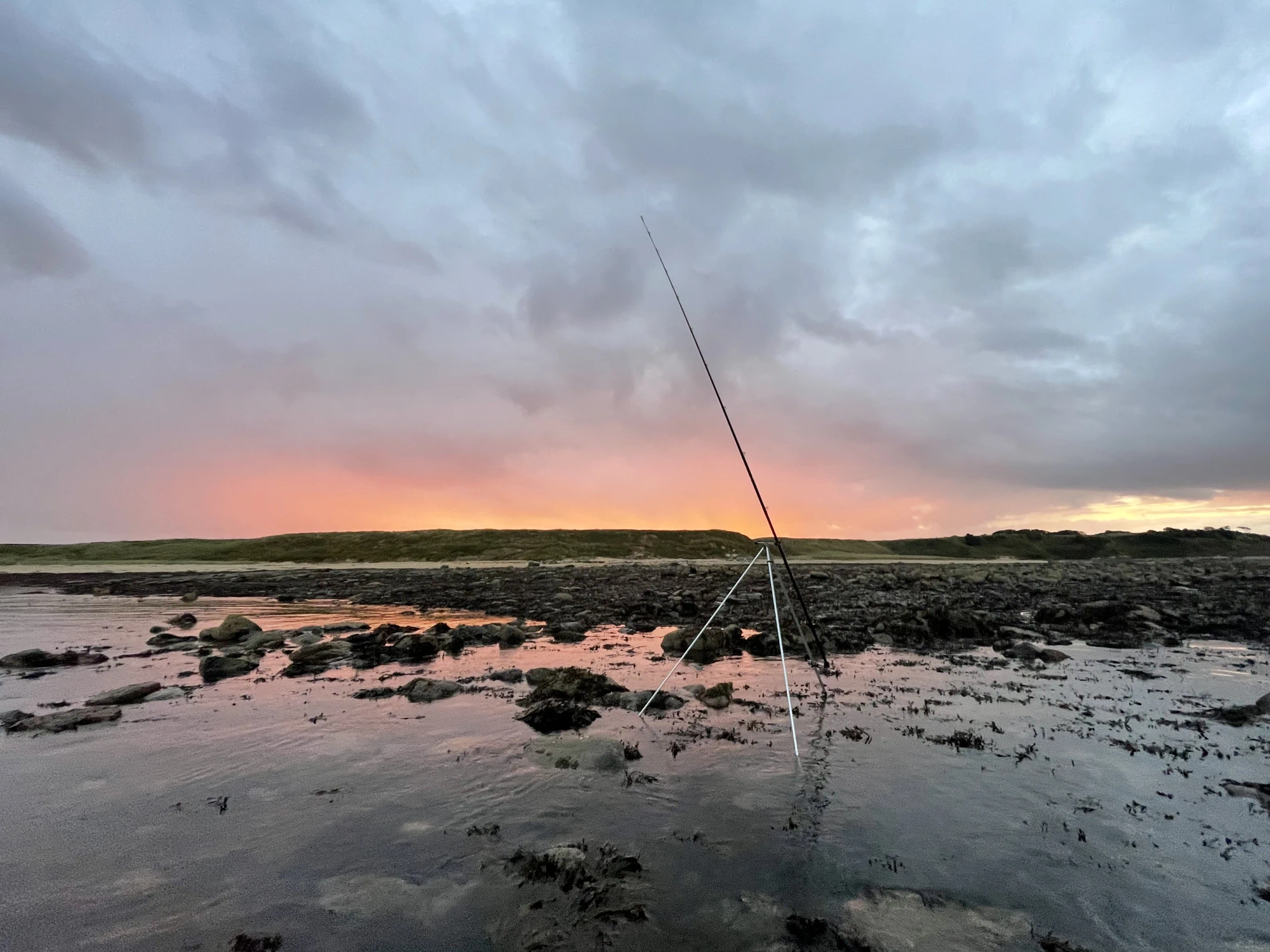
Recreational sea angling is a cornerstone of coastal life across the region, and NIFCA is committed to making sure that the voices of the angling community are a vital part of our inshore fisheries management.
Working together
We view recreational anglers not just as stakeholders, but as essential partners in marine stewardship. Since the launch of our Recreational Sea Angling (RSA) Strategy in 2021, we have worked to build strong, collaborative relationships with individual anglers, local clubs, and national bodies like the Angling Trust.
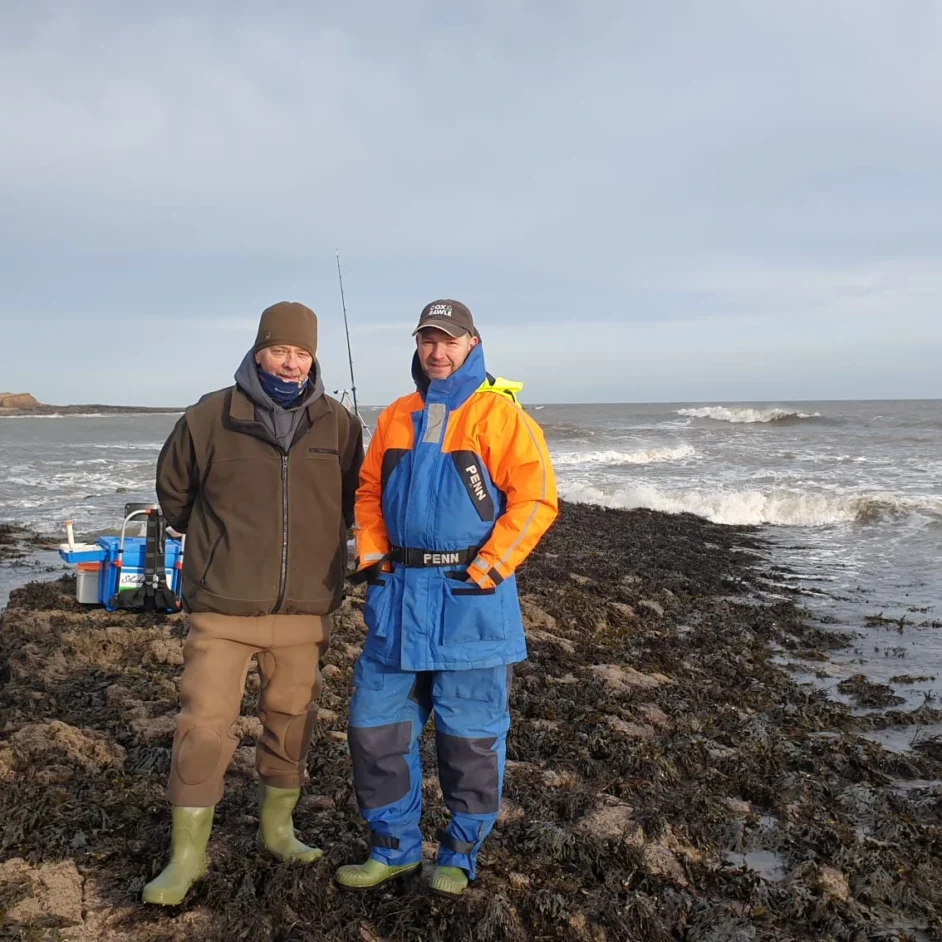
Our officers are a regular fixture within the community; you will often find us attending local events, such as the Open Amble Sea Angling, to speak with participants and discuss local conservation. This partnership is at the heart of our evidence-based decision-making, ensuring that the socio-economic value of angling is recognised and protected.
Our collaboration comes to life through industry-leading citizen science projects such as the NIFCA Species Challenge and the Bass Scale Project, which help us map local fish and seasonal patterns across the district.
Our most recent Recreational Sea Angling (RSA) Strategy for 2026-2029 is now available to view.
NIFCA has a Minimum conservation reference sizes (MCRS) byelaw to ensure the health of the stock and allow the species to breed at least once before being removed from the sea. The list below outlines the MCRS’ for common species. Further species can be found via the Angling Trust.
Responsible sea angling keeps fish stocks healthy for future generations. NIFCA promotes the following conservation measures:
Learn more about our conservation work around the North Tyneside and Northumberland coastline.
You can learn more about sea angling or bait collection and hand gathering through the Marine Nature Partnership.
NIFCA works closely with the sea angling community to improve understanding of local fisheries and support sustainable recreational fishing. Here is a collection of resources to help you better your craft, but to also understand how your efforts can benefit NIFCA’s conservation and research initiatives.
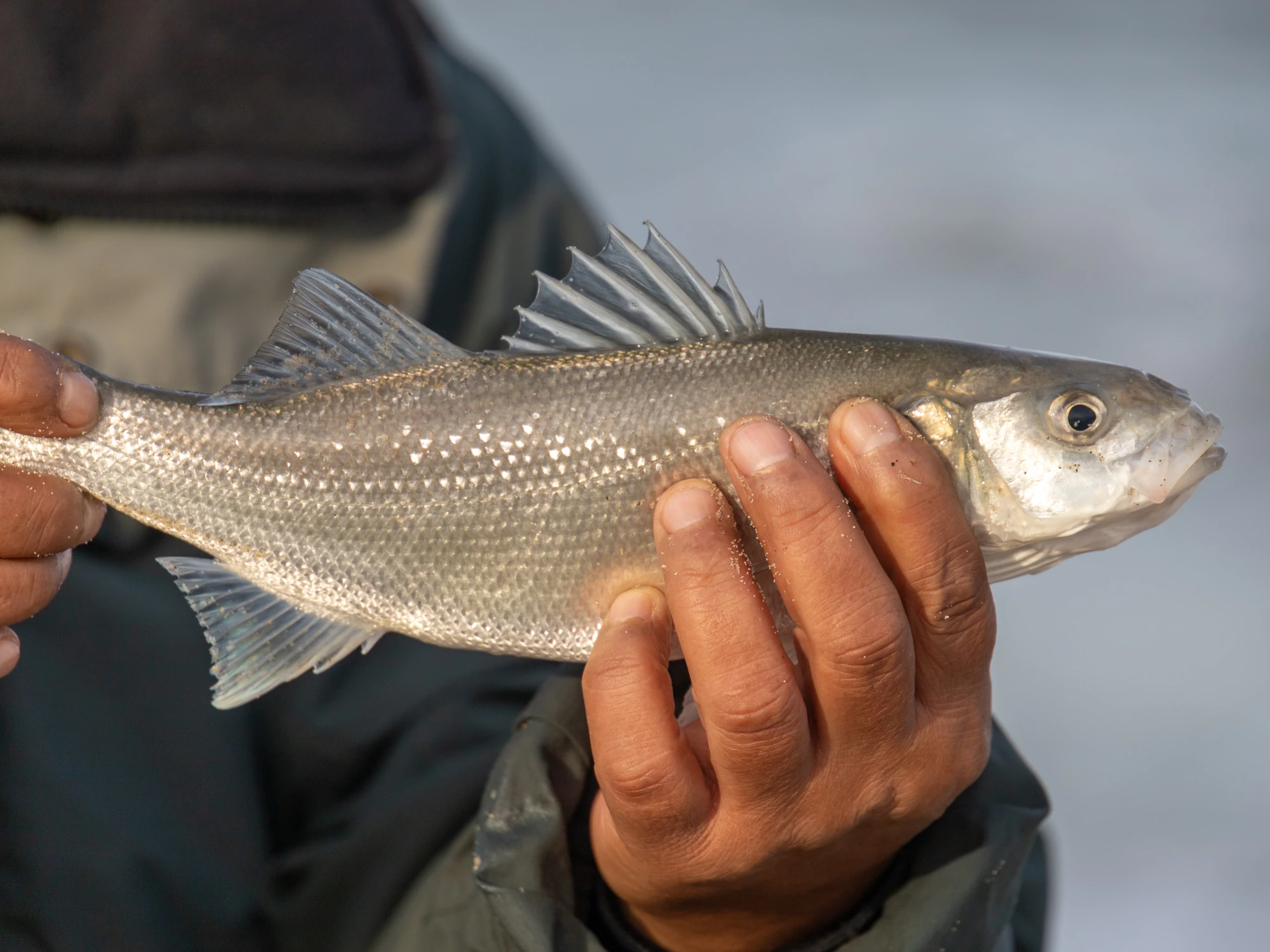
These rules apply if you are fishing from a boat or from the shore.
If you would like a recreational bass regulations poster, please call the office on 01670 797676. For more information, please visit the link below.
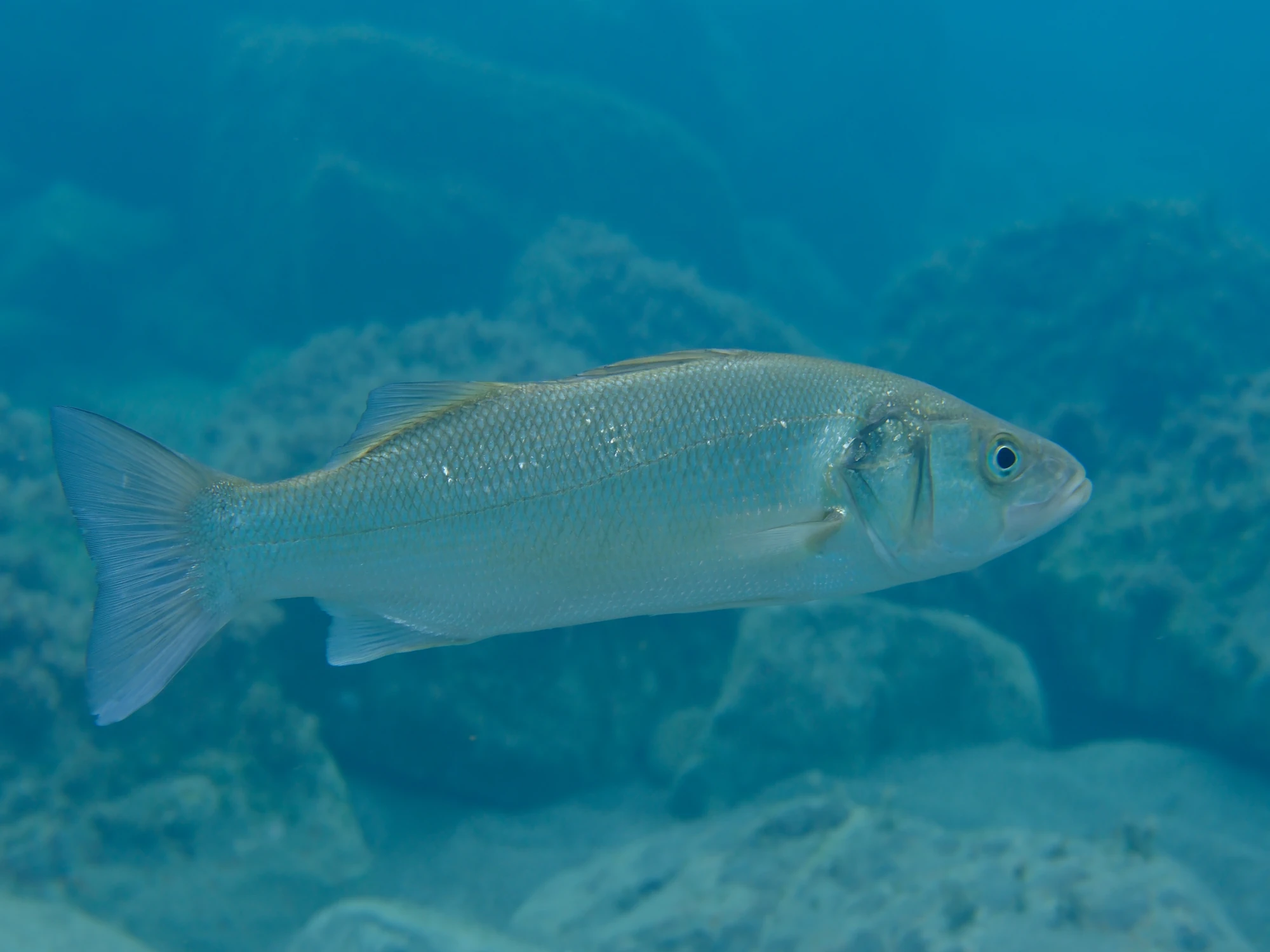
This project aims to build a baseline understanding of the seabass population within the NIFCA district. By working with local anglers, NIFCA hopes to gain a better understanding of the species’ northward movement and how local bass populations relate to those studied elsewhere in the UK.
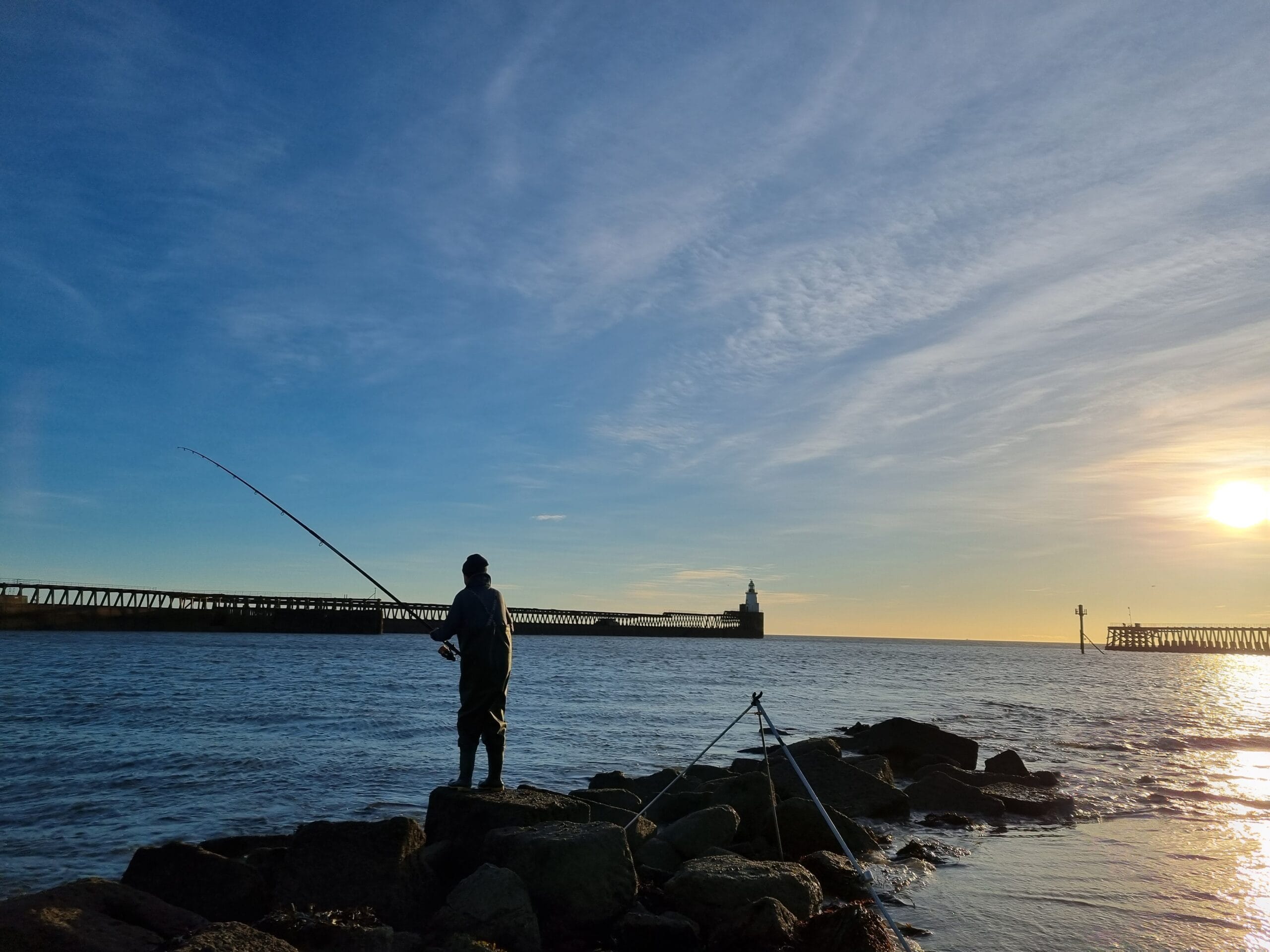
Our Recreational Sea Angling (RSA) Strategy outlines NIFCA’s priorities for supporting a thriving and sustainable sea angling community. Through partnership working, research, education and stakeholder engagement, the strategy aims to protect marine resources while ensuring recreational sea angling continues to benefit coastal communities and the local economy.

Produced by Your Angling Voice, this guide not only details general handling best practices but also includes guidance on unhooking, release, and dispatching, and contains links to other organisations for details on specific species.
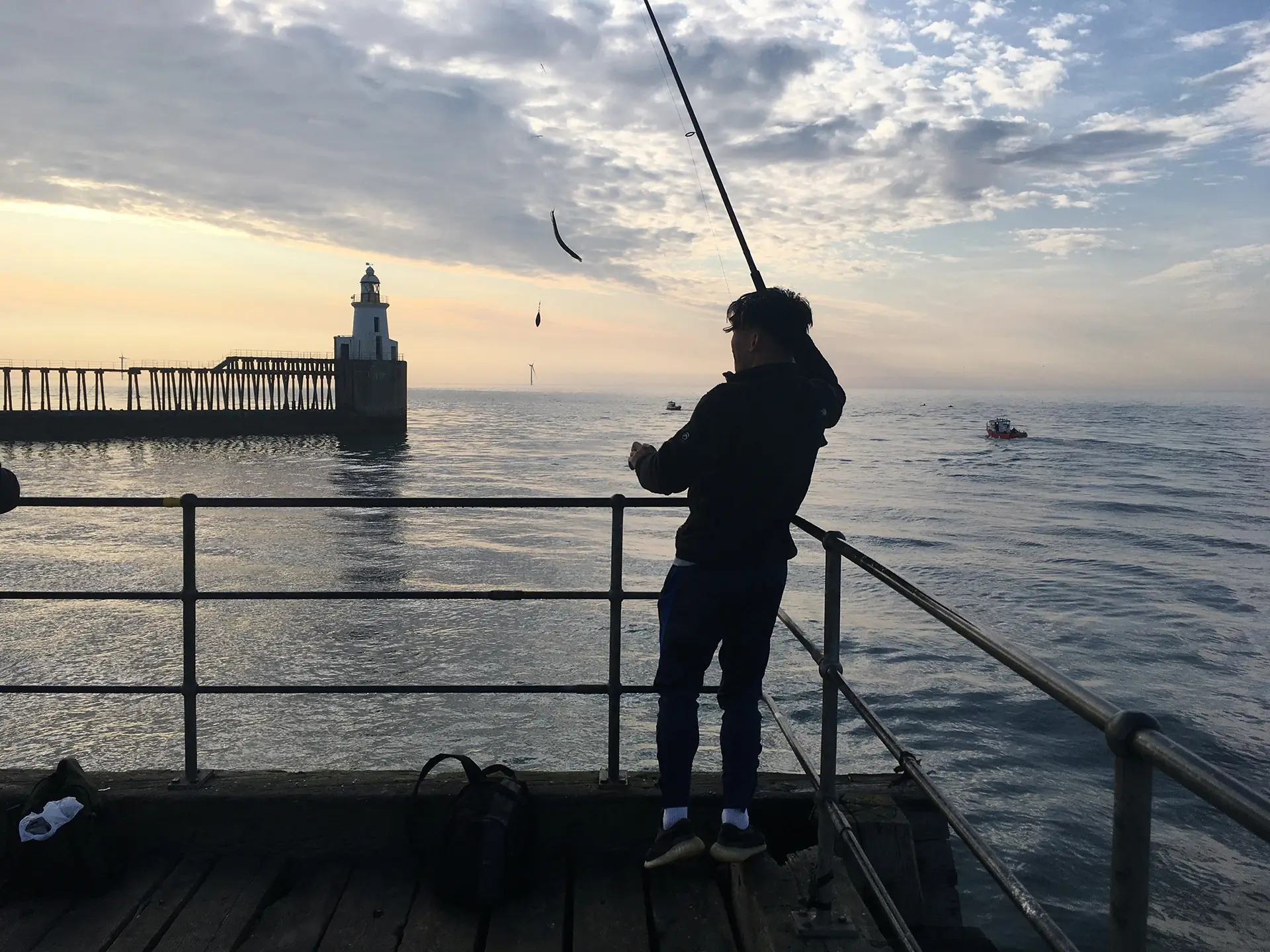
Through the 2023 and 2024 Species Challenge Competitions, NIFCA received 1,127 submissions of individual fish from anglers across the district. From these submissions, 38 different species were identified – a fantastic effort which allows us to understand more about the fish being caught locally.
Latest updates
Stay up to date with the latest sea angling news, research projects, and community initiatives taking place across the NIFCA district.